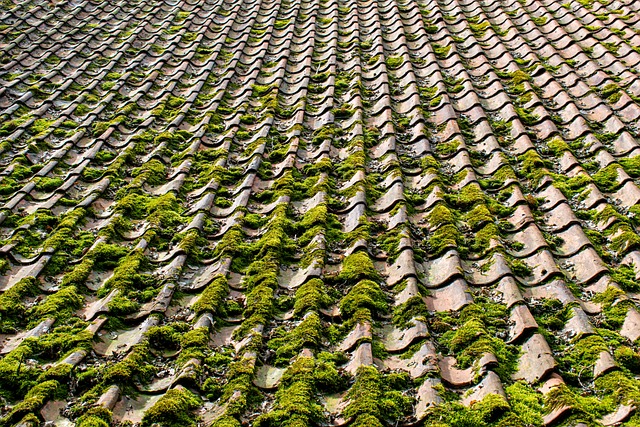
Roofing: A Comprehensive Exploration
Introduction
The roof, often an overlooked yet critical component of any structure, plays a pivotal role in protecting occupants from the elements. Roofing, as a holistic concept, encompasses not just the visible covering but also the intricate system of materials, techniques, and designs that ensure structural integrity, energy efficiency, and aesthetic appeal. This article delves into the multifaceted world of roofing, exploring its historical foundations, global impact, economic implications, technological innovations, regulatory frameworks, challenges, and future prospects. By the end, readers will gain a profound understanding of this essential industry and its influence on our built environment.
Understanding Roofing: A Foundation of Protection
Definition: Roofing refers to the process of installing and maintaining protective covering systems for buildings or structures. It involves a complex interplay of materials, design, construction techniques, and local climate considerations.
Core Components:
-
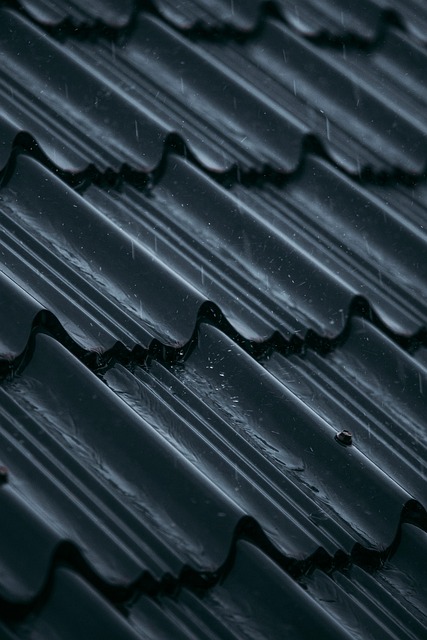
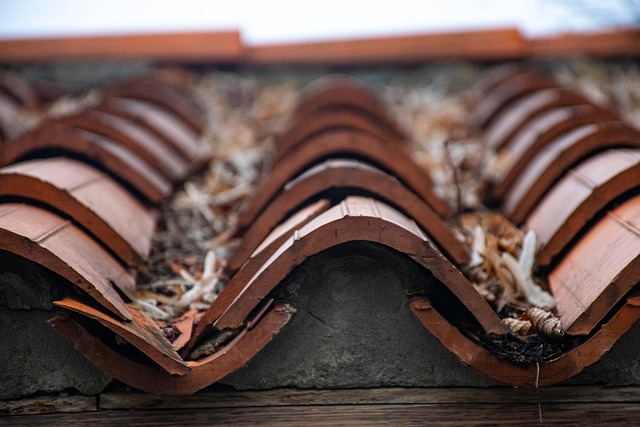
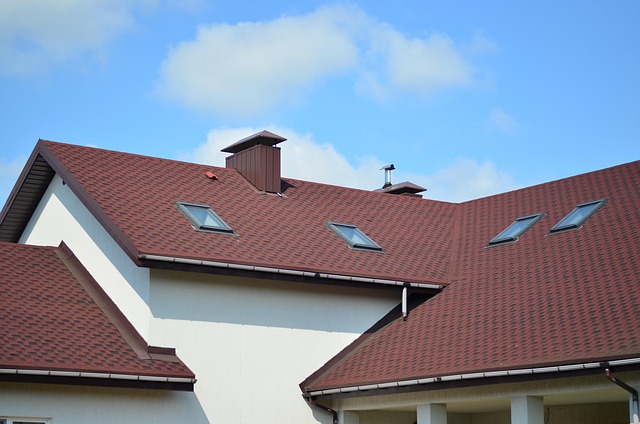
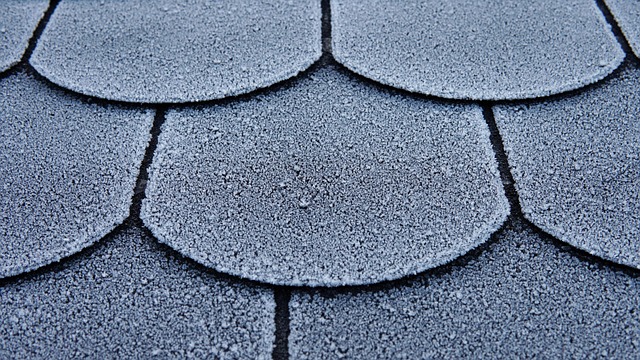
Roofing Materials: These include asphalt shingles, metal panels, tiles (ceramic, concrete), slate, wood shakes/shingles, and more recently, sustainable options like recycled materials and single-ply membranes.
-
Structural Support: Roofs rely on frameworks of wooden trusses or steel beams to provide strength and stability, ensuring the structure can withstand various weather conditions.
-
Flashings and Sealants: These components seal joints and penetrations, preventing water leakage and ensuring the longevity of the roofing system.
Historical Context:
Roofing techniques have evolved over millennia, from simple thatch and animal hides to sophisticated modern systems. Ancient civilizations like the Egyptians, Greeks, and Romans developed advanced roofing methods using clay tiles and concrete. The Industrial Revolution brought about mass production of materials like asphalt shingles, while contemporary innovations focus on energy-efficient and sustainable alternatives.
Significance:
Roofing is a fundamental aspect of building construction, serving several critical purposes:
-
Weather Protection: It shields buildings from rain, snow, wind, and extreme temperatures, preserving the structural integrity of the entire structure.
-
Energy Efficiency: Well-designed roofs can significantly impact a building's energy performance, with reflective or insulating materials helping to regulate interior temperatures and reduce heating/cooling costs.
-
Aesthetic Appeal: Roofing materials and designs contribute to a building's overall visual appeal, enhancing its architectural character.
Global Impact and Trends: A Diverse Landscape
Roofing practices vary worldwide, influenced by regional climates, cultural preferences, and economic factors. Here’s a glimpse into some key trends:
| Region |
Trending Roofing Materials/Techniques |
Climate Considerations |
| North America |
Metal roofing, energy-efficient shingles |
Extreme weather events, high wind speeds |
| Europe |
Clay tiles, slate, green roofs |
Diverse climates, historical building stock |
| Asia Pacific |
Steel roofing, thatch, traditional tile |
Tropical storms, seismic activity |
| Middle East |
Concrete tiles, bitumen membranes |
Arid conditions, high solar heat gain |
Regional Differences:
-
North America: Known for its metal roofing popularity, driven by harsh weather conditions and a trend towards energy efficiency.
-
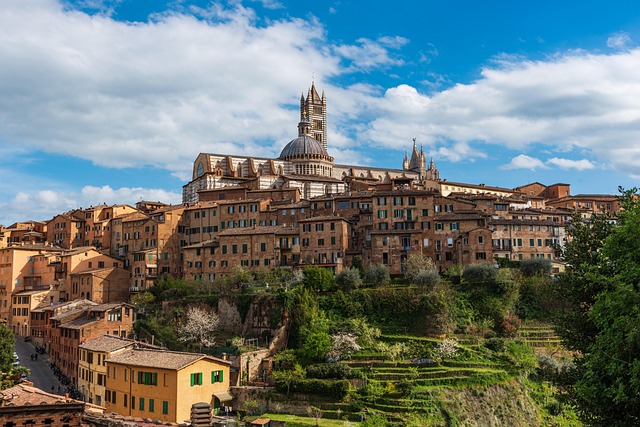
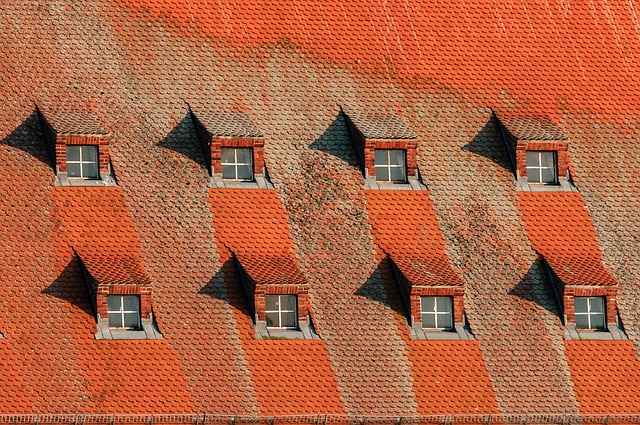
Europe: Traditional materials like clay tiles and slate remain prevalent, reflecting historical building practices and cultural aesthetics.
-
Asia Pacific: Steel roofing gains traction due to cost-effectiveness and resilience against tropical storms.
-
Middle East: The region’s arid climate favors water-resistant materials like concrete tiles and bitumen membranes.
Economic Considerations: A Growing Industry
The global roofing market, valued at USD 423.7 billion in 2021 (Source: Grand View Research), is expected to grow at a CAGR of 6.9% from 2022 to 2030. This growth is driven by several economic factors:
-
Construction Boom: Rising urbanization and infrastructure development worldwide drive roof replacement and new construction projects.
-
Energy Efficiency Awareness: Governments and building owners are increasingly focused on energy conservation, boosting demand for roofing materials that offer better insulation and heat reflectivity.
-
Technological Advancements: Innovations in materials science and manufacturing processes enable the production of lighter, stronger, and more durable roofing solutions.
Investment Patterns:
-
Private equity firms and real estate investors are increasingly targeting the roofing sector, recognizing its stability and long-term growth potential.
-
Startups and established companies are investing in research and development to create next-generation roofing materials that offer improved performance and sustainability.
Technological Advancements: Revolutionizing Roofing
Technological innovations have significantly transformed the roofing industry, enhancing durability, energy efficiency, and installation processes:
-
Smart Materials: Nanotechnology-infused shingles can self-repair minor cracks and damage, extending roof lifespans.
-
Energy-Generating Roofs: Solar-integrated roofing systems allow buildings to generate electricity from sunlight, contributing to sustainable energy practices.
-
3D Printing: This technology enables rapid prototyping of custom-designed roofs, offering unique aesthetic possibilities and faster construction times.
Future Prospects:
The future of roofing is poised for further disruption by:
-
Biomimicry: Drawing inspiration from natural structures, engineers develop innovative materials that mimic the water-repellent properties of lotus leaves or the self-cleaning abilities of birds' feathers.
-
Modular Roof Systems: Pre-fabricated, modular roof components offer faster installation times, reduced labor costs, and improved design flexibility.
-
Enhanced Durability: Advanced coatings and treatments protect roofing materials from UV degradation, corrosion, and biological growth, extending their lifespans.
Policy and Regulation: Navigating the Legal Landscape
Roofing practices are subject to various local, regional, and national regulations aimed at ensuring safety, quality, and environmental sustainability:
-
Building Codes: These dictate minimum standards for roofing materials, installation techniques, and structural integrity, varying across jurisdictions.
-
Environmental Regulations: Many regions have laws governing the disposal of roofing waste, promoting the use of recycled materials, and regulating emissions from manufacturing processes.
-
Energy Efficiency Standards: Building codes often incorporate energy efficiency requirements for roofs, incentivizing the use of reflective materials or insulation to reduce energy consumption.
Case in Point: The European Union’s Eco-Design Directive
This directive sets energy performance standards for roofing products, encouraging manufacturers to design and produce more efficient and sustainable materials. It drives innovation by rewarding companies that incorporate eco-friendly features into their roofing systems.
Challenges and Criticisms: Overcoming Barriers
Despite its significant advancements, the roofing industry faces several challenges and criticisms:
-
Labor Shortages: Skilled roofers are in high demand but limited in number, leading to longer installation times and higher labor costs.
-
Material Sourcing and Waste: The industry struggles with the sustainable sourcing of materials and the environmental impact of waste generation during manufacturing and disposal.
-
Climate Change Concerns: Traditional roofing materials may contribute to urban heat islands, exacerbating climate change. There’s a growing need for reflective, energy-efficient alternatives.
Strategies for Improvement:
-
Skills Development Programs: Governments and industry bodies should invest in training programs to address labor shortages and ensure skilled workmanship.
-
Circular Economy Approaches: Adopting circular economy principles can minimize waste, encourage recycling, and promote the use of sustainable materials.
-
Innovation in Reflective Materials: Developing advanced reflective coatings and surfaces can mitigate urban heat island effects and reduce cooling costs.
Case Studies: Exemplary Roofing Applications
1. The Green Roof Revolution in Toronto, Canada
Toronto’s City Hall has pioneered the adoption of green roofs, covering large swaths of its structure with vegetation. This eco-friendly approach offers multiple benefits:
-
Energy Efficiency: The green roof reduces the building's heat gain in summer and heat loss in winter, lowering energy consumption.
-
Urban Heat Island Mitigation: Vegetation absorbs sunlight, releasing cooler air, thereby reducing urban heat island effects.
-
Biodiversity Support: Green roofs provide habitats for various plant and animal species, fostering biodiversity in urban environments.
2. The Art of Tile Roof Restoration in Mediterranean Spain
In the historic city of Granada, Spain, a restoration project aimed to revive traditional tile roofing while preserving cultural heritage. The initiative:
-
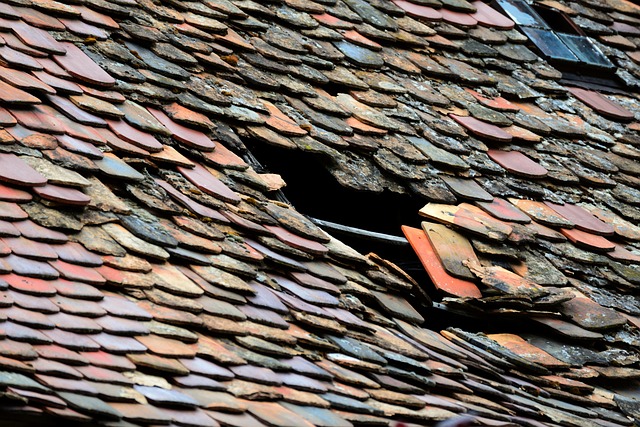
Preserved Cultural Identity: Used authentic clay tiles handmade by local artisans, ensuring the continuity of traditional building practices.
-
Enhanced Aesthetic Appeal: Restored roofs added visual charm to the city's architectural tapestry, attracting tourists and boosting local pride.
-
Community Engagement: Involved local residents and businesses, fostering a sense of collective ownership and pride in their heritage.
Future Prospects: Rooting for Innovation
The roofing industry is poised for continued growth and transformation, driven by emerging trends and technological innovations:
-
Sustainable Roofing: There will be an increased emphasis on eco-friendly materials, waste reduction, and energy-efficient designs to combat climate change.
-
Smart Homes Integration: Roofs will play a pivotal role in smart home systems, incorporating solar panels, wind turbines, and advanced monitoring technologies.
-
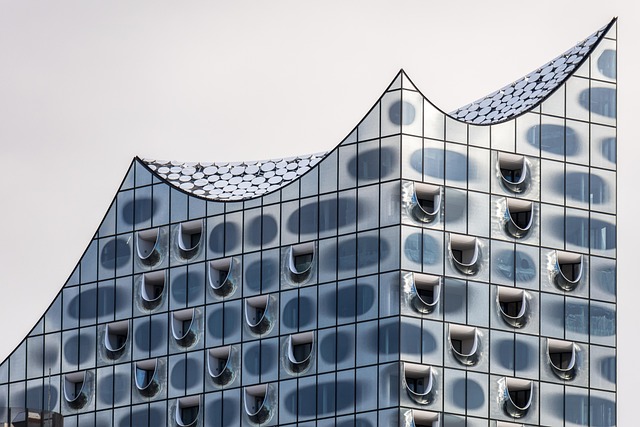
Customized Design Options: 3D printing and digital manufacturing enable architects and designers to create unique, complex roof shapes, pushing the boundaries of aesthetics and functionality.
Conclusion: Rooting for a Brighter Future
Roofing, a fundamental aspect of our built environment, continues to evolve in response to technological advancements, environmental considerations, and changing consumer preferences. From traditional craftsmanship to cutting-edge innovations, the industry reflects a delicate balance between protecting structures and enhancing their visual appeal. As we look ahead, roofing’s role in sustainable development, energy efficiency, and urban planning will only grow in significance. By addressing challenges, embracing new technologies, and prioritizing environmental sustainability, the roofing industry can secure a robust future while safeguarding our planet for generations to come.
FAQ Section: Answering Common Queries
Q: How often should I replace my roof?
A: The lifespan of a roof varies based on materials and local conditions, typically ranging from 20-50 years. Regular inspections can help identify signs of wear and tear, enabling timely replacement for optimal performance and safety.
Q: What are the benefits of a metal roof?
A: Metal roofs offer excellent durability, resistance to fire and pests, and energy efficiency due to their reflective properties. They also have a longer lifespan compared to many other materials.
Q: How can I reduce my roofing costs?
A: Consider energy-efficient options that may qualify for tax incentives. Choose high-quality materials that require less maintenance over time. Additionally, comparing multiple quotes from reputable contractors can help secure competitive pricing.
Q: Are green roofs cost-effective?
A: While initial installation costs may be higher, green roofs provide long-term savings through reduced energy bills and improved building insulation. They also enhance property values and contribute to environmental sustainability.